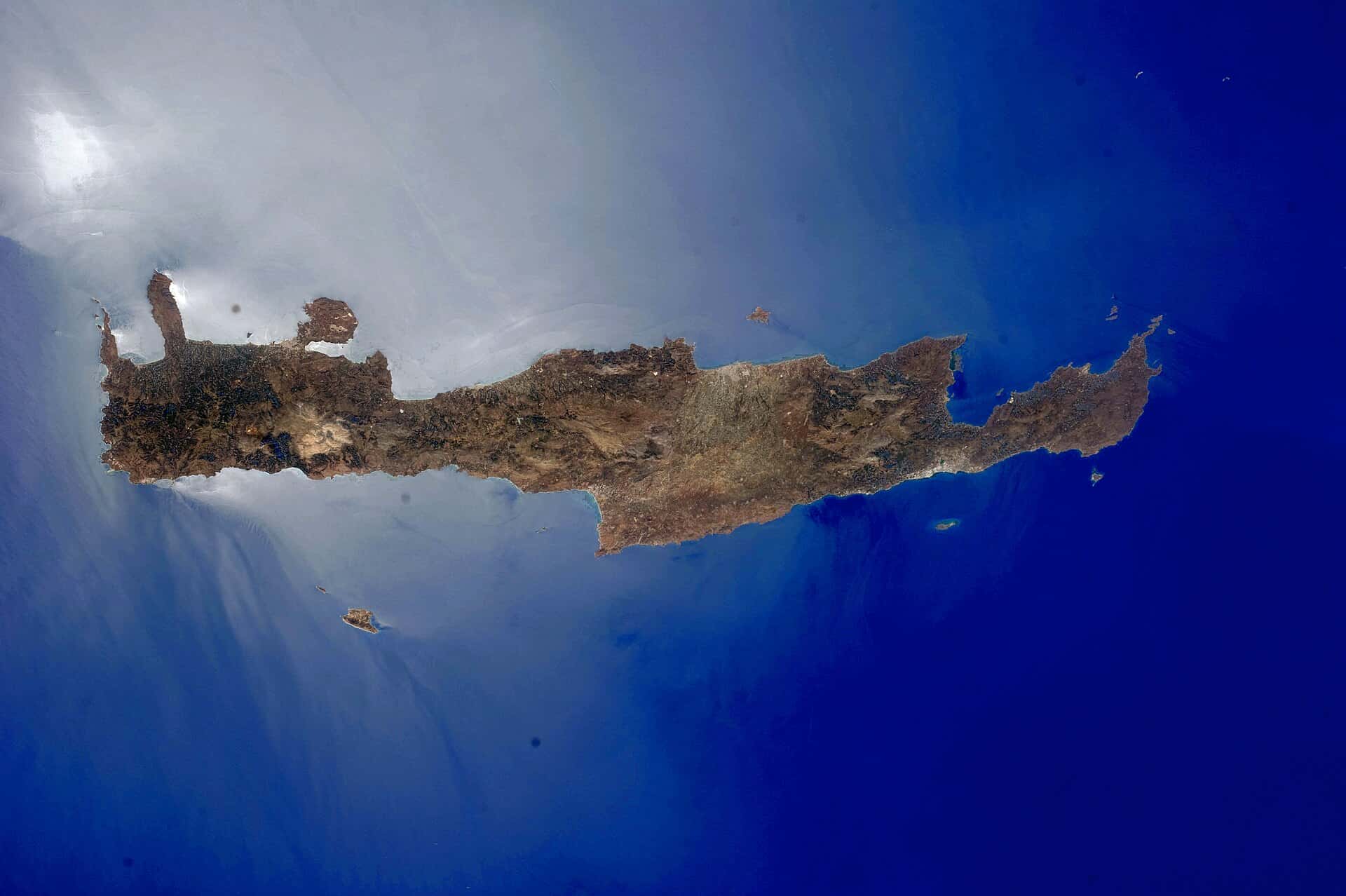
Crete is the largest island in Greece and, depending on the week, feels like several countries condensed into one. Drive from Chania in the west to Sitia in the far east and you will cover roughly 250 kilometres, passing through olive groves, gorges, high limestone plateaux, beach towns and near-empty mountain villages. That scale matters enormously when you are choosing where to stay, because a villa or hotel in the wrong region can mean spending your mornings in the car rather than beside the water. The one question every first-time visitor asks — which region should I choose — has no universal answer. It depends on how you travel, what draws you to Crete in the first place, and how much of the island you realistically want to see in a single trip.
Chania, in the far west, is where Crete makes its most immediately dramatic impression. The old town, built around a Venetian harbour with a lighthouse that has become one of the island's most reproduced images, is genuinely beautiful and rewards slow wandering through its narrow lanes. The surrounding prefecture is home to some of the most photographed beaches in the Mediterranean: Balos lagoon with its shallow turquoise water and pale sand, Elafonisi with its pink-tinged shoreline, Falassarna facing open sea and spectacular sunsets. The Samaria Gorge, about 16 kilometres of walking through one of Europe's longest ravines, begins in the White Mountains to the south of the town. All of this makes Chania the most visited corner of Crete in summer, which is worth factoring in — it is lively, sometimes crowded, and the most internationally connected part of the island after Heraklion. For first-time visitors who want Crete's greatest-hits scenery within easy reach, and who enjoy the energy of a busy, cosmopolitan old town in the evenings, Chania earns its popularity.
Rethymno sits roughly halfway along the northern coast, and its position gives it a particular usefulness as a base. The old town is one of the best-preserved Venetian settlements in the eastern Mediterranean, its fortress, mosque and narrow streets giving the impression that centuries of history have been compressed into a relatively compact space. Just east of the town stretches one of the longest continuous sandy beaches on the island's north coast, lined with hotels but still genuinely pleasant for families. Rethymno is often overlooked in favour of its more famous neighbours, but that relative modesty is part of its appeal: the atmosphere is noticeably calmer than Chania while still offering enough culture and coastline to fill a week easily. Couples and returning visitors who have already done the western beaches tend to find it a rewarding choice, and those renting privately further inland can reach both the Chanian coast and Heraklion's sites within roughly an hour by road.
Heraklion is the capital and the region most visitors pass through, even if they do not linger. The international airport here handles the majority of arrivals, and the city itself — noisy, lived-in, unapologetically urban — is best approached as a place to spend a day or two rather than a week. That said, the Archaeological Museum of Heraklion holds the most significant Minoan collection in the world, and Knossos, the Bronze Age palace site that anchors the Minoan civilisation, lies just a few kilometres south of the city centre. The countryside around Heraklion is wine country: the Peza plateau and the villages around Dafnes have a long winemaking heritage, and the region's wineries are well worth exploring. To the east, the coast towards Hersonissos and Malia is the island's most resort-heavy stretch, offering package-holiday infrastructure and reliably warm family-friendly beaches, though the character is markedly different from the quieter parts of the island. For travellers prioritising Minoan history, short airport transfers, and access to Crete's wine-producing heartland, staying in the Heraklion region makes good practical sense.
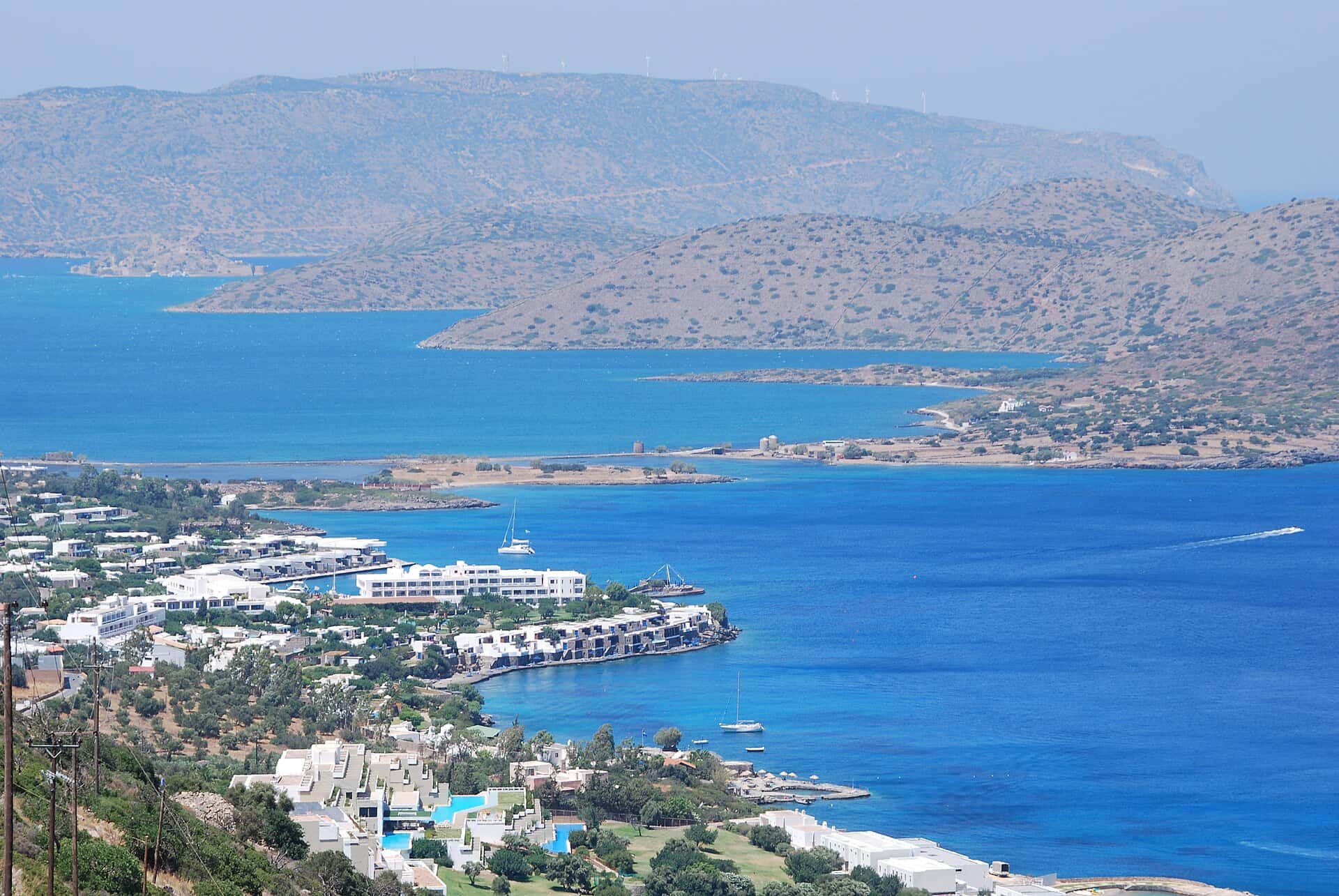
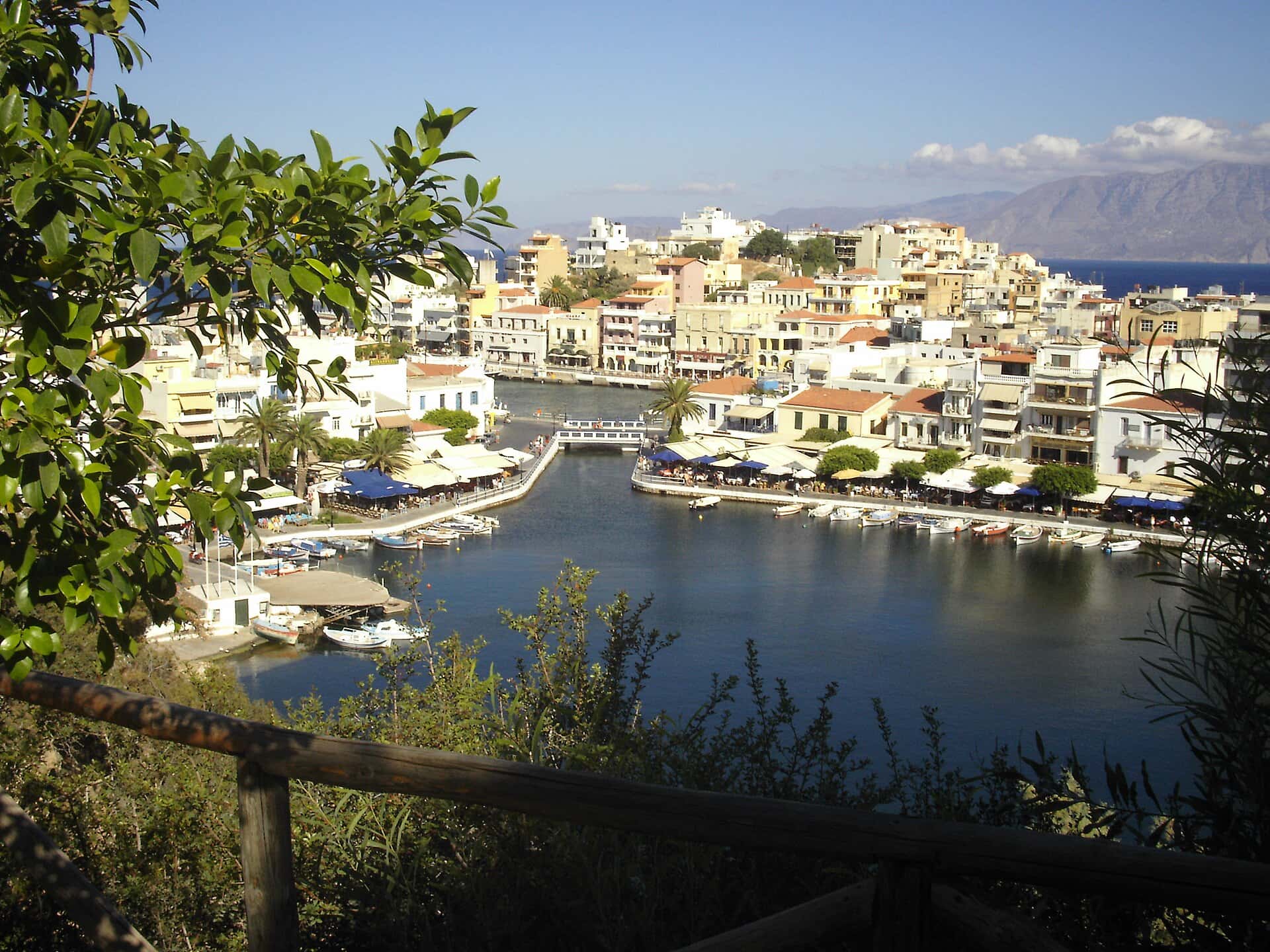
Lasithi, the easternmost of the four regions, moves at an entirely different pace. The area around Elounda and Agios Nikolaos — the latter built around a small lake connected to the sea by a narrow channel — has long attracted visitors who prize quiet over spectacle, though the quality of the landscape here is anything but understated. Spinalonga, the small island fortress in the Gulf of Elounda that served as one of Europe's last active leprosy colonies until the mid-twentieth century, draws visitors who have read about it as much as those who have simply wandered towards it. High above the coast, the Lasithi Plateau is one of Crete's most unusual landscapes: a flat agricultural plain ringed by mountains, dotted with villages, and in most years carpeted with wild flowers in spring. Lasithi is the region for those who want space and seclusion, for returning visitors seeking the quieter Crete that lies beyond the familiar western circuit, and for those who find the idea of the island's least crowded coastline more appealing than its most photographed one.
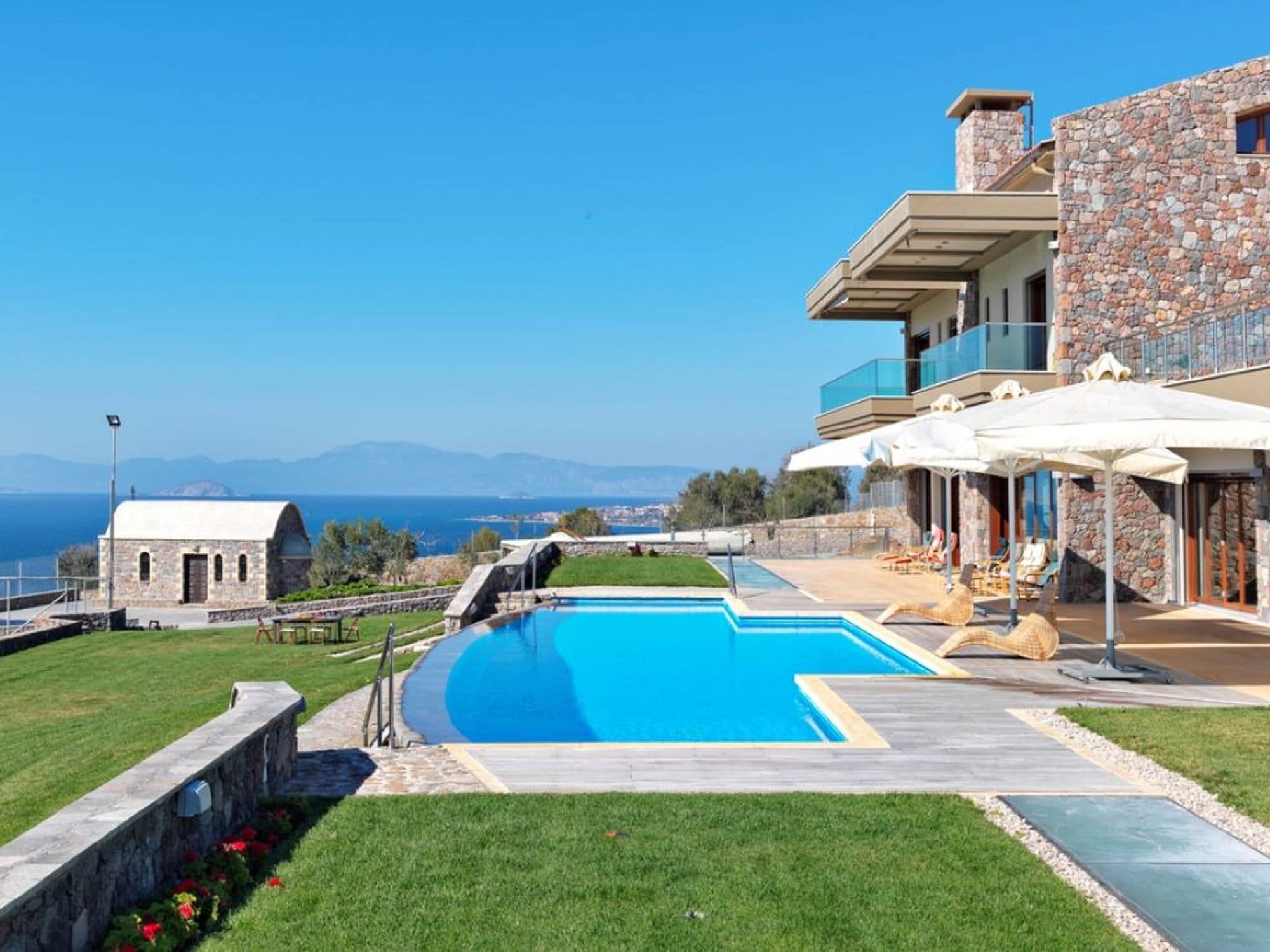
Families face a particular version of the region question, because the calculus shifts when children are involved. Easy airport transfers, calm shallow water, and straightforward access to low-stakes entertainment tend to point families towards the northern coast of Heraklion or Rethymno. Those same families, however, will find that private accommodation scattered through all four regions offers something the resort strips cannot: space, a kitchen, a private pool, and the freedom to set your own schedule without restaurant sittings and shared beach real estate. A family basing itself in a rural property north of Rethymno can reach the Samaria Gorge (for older children, conditions permitting) and the beach on the same day. One near Heraklion can do Knossos before lunch and be in the water by mid-afternoon. The region matters; so does the type of property.
The honest answer to the original question is that no single region is objectively best, and first-time visitors who agonise over the choice often find, on a return trip, that they want to try somewhere entirely different. Crete rewards revisiting in a way that few islands do, precisely because its four regions feel genuinely distinct. If this is your first visit and you can only choose one base, Chania or Rethymno will give you the widest range of immediately accessible scenery and atmosphere. If you have been before, Lasithi in particular tends to offer the kind of quiet revelation that earlier trips — spent chasing gorges and harbour towns — rarely allowed. Whatever draws you east or west, private villas are available across all four regions — Heraklion, Lasithi, Rethymno and Chania — and that kind of rootedness makes even a week feel unhurried, which in Crete is exactly the right speed.