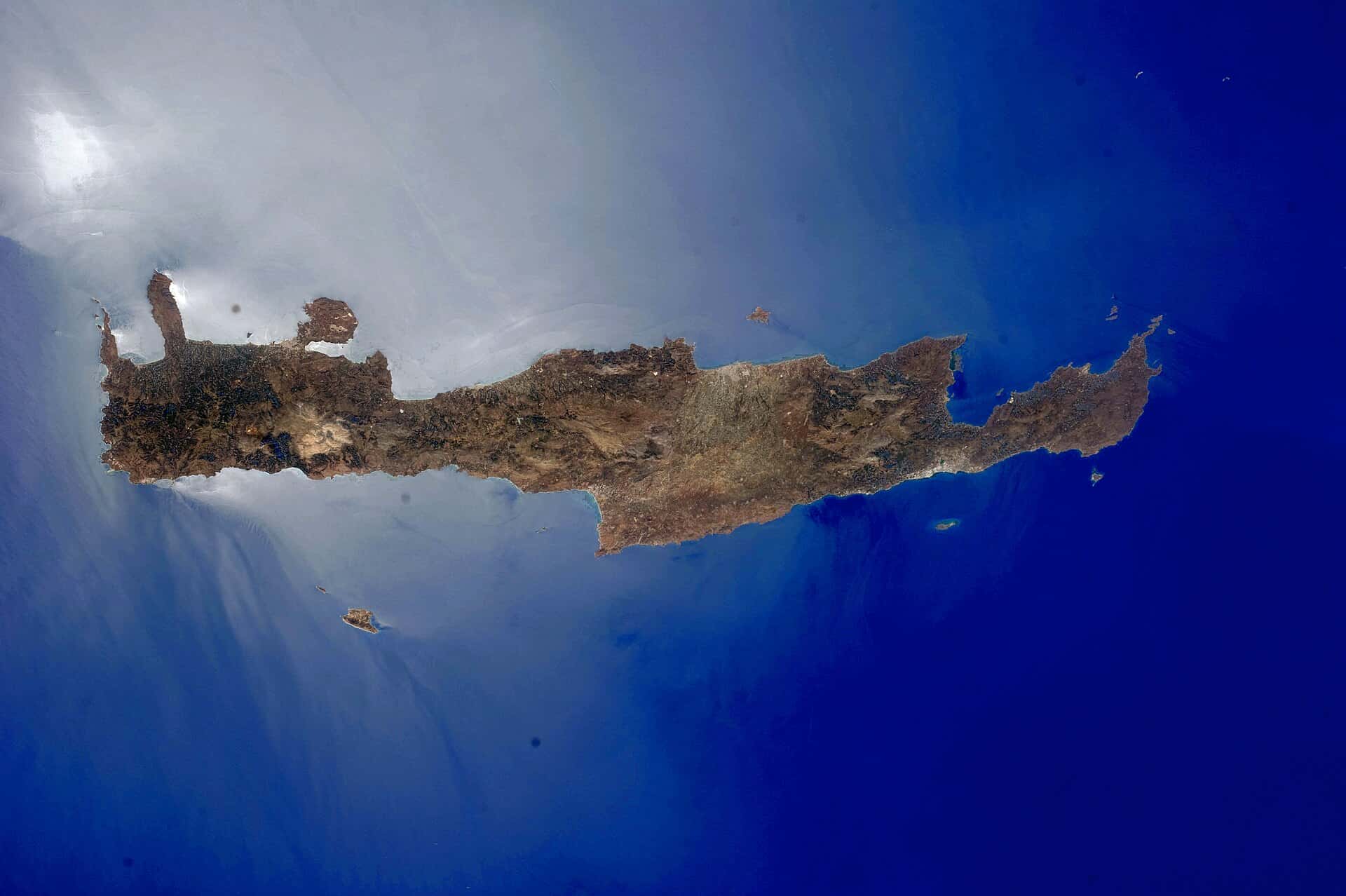
Of Crete's four prefectures, Lasithi is the one that asks the least of you. There are no queues at dawn, no pressure to optimise the day. The easternmost reaches of the island move at their own pace — unhurried harbour mornings, plateaux wrapped in mountain silence, and a coastline that somehow feels like a private arrangement between the traveller and the sea. Visitors who make it this far east tend to return with a quiet conviction that they have found the Crete that exists behind the postcard version, and they are not entirely wrong.
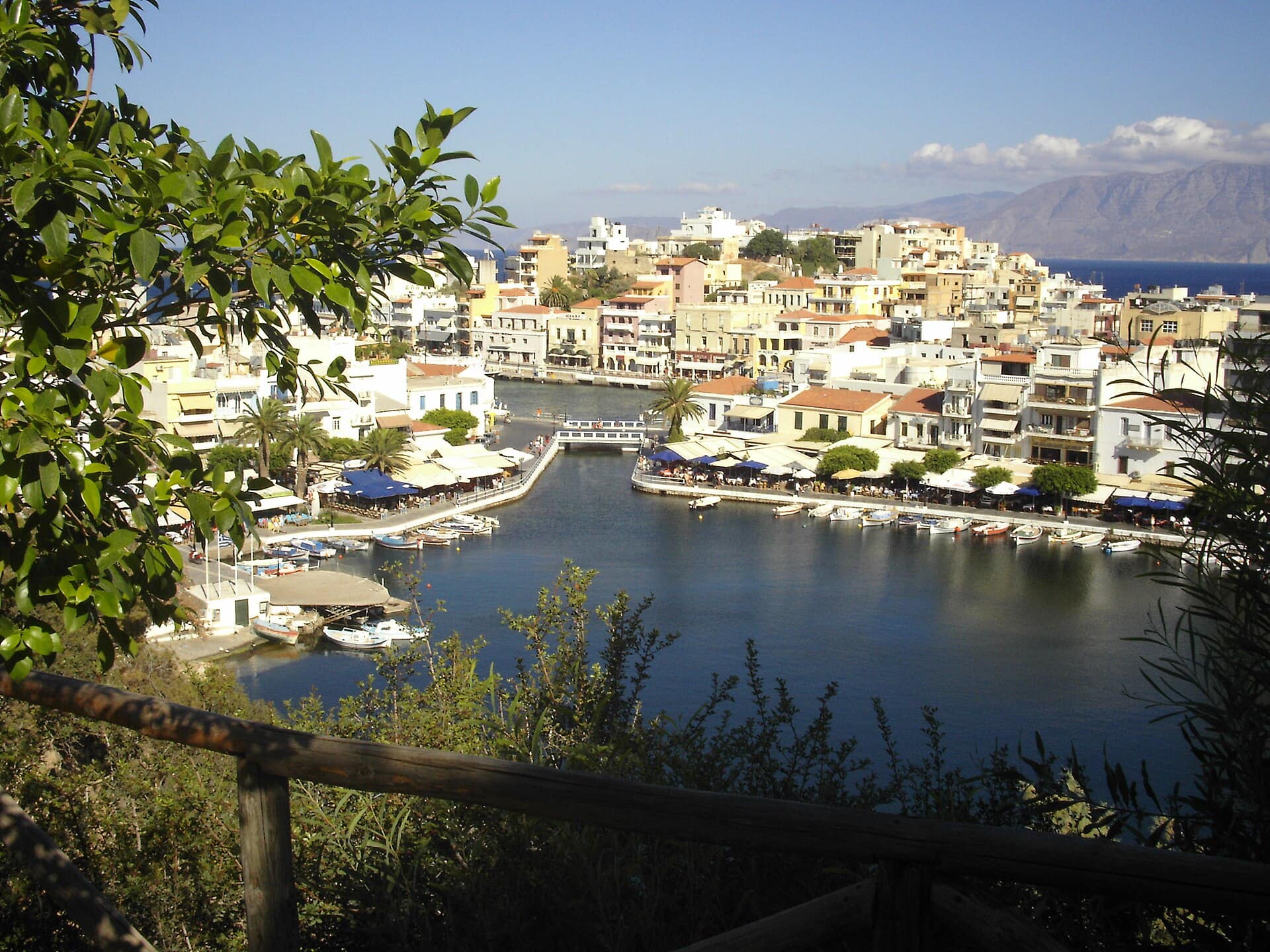
The natural starting point for most explorations of the prefecture is Agios Nikolaos, a town arranged rather elegantly around Lake Voulismeni — a small, circular lake of unusual depth that sits at the centre of the town and connects to the sea by a narrow channel. The lakeside promenade is given over almost entirely to café tables and the slow business of watching the water change colour through the afternoon. Agios Nikolaos does not overwhelm. Its Archaeological Museum holds a thoughtful collection of finds from across the region, and the town's character — part working port, part resort — makes it a comfortable base from which to spend several days moving outward in different directions.
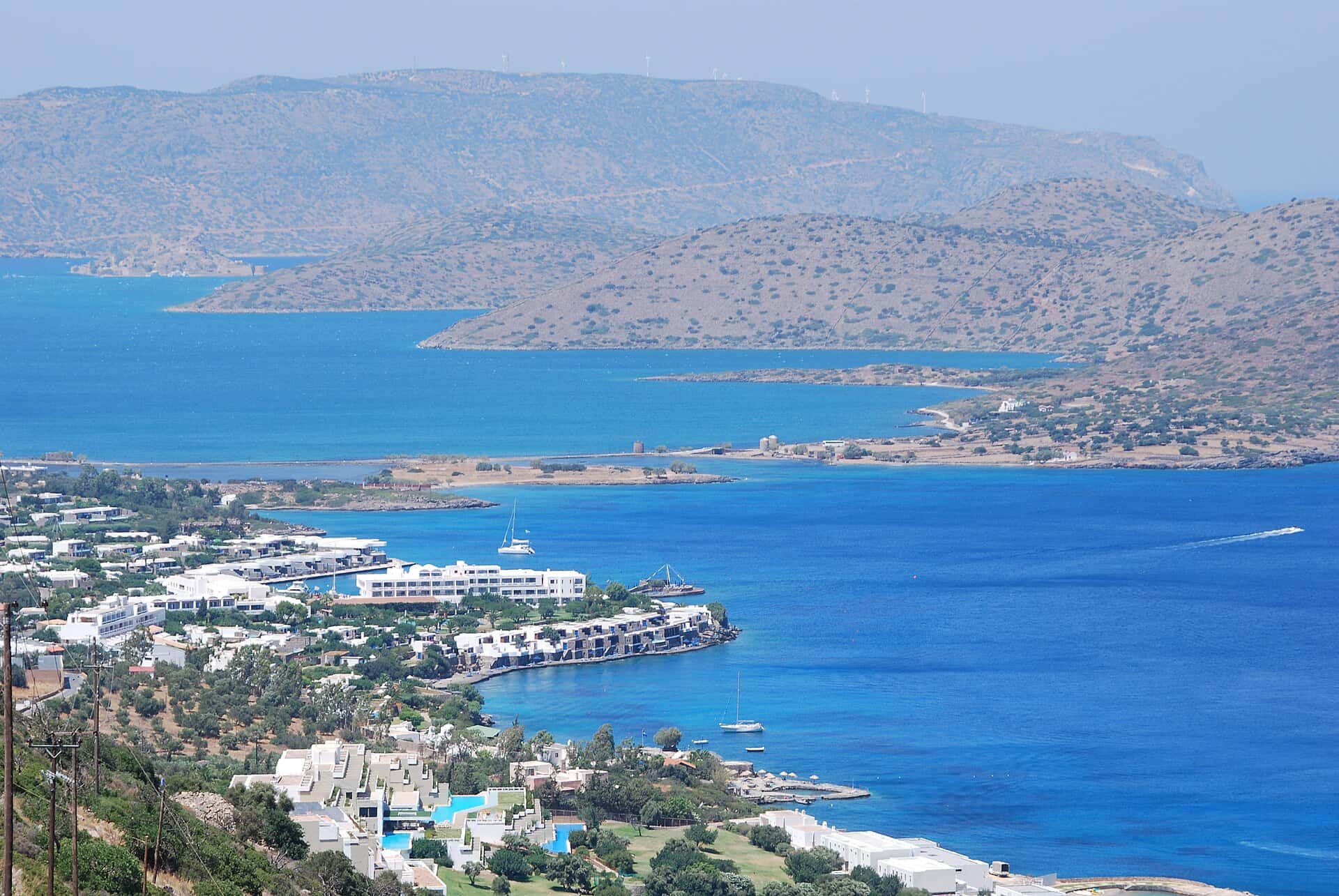
A short drive north along the gulf brings you to Elounda, whose calm, almost enclosed bay has a particular quality of light in the early morning that is worth setting an alarm for. From the shore, or from a small boat, the silhouette of Spinalonga sits clearly visible across the water — the Venetian island fortress whose layers of history, from military outpost to, later in the twentieth century, one of Europe's last active leprosy colonies, are explored in the island's own separate and worthwhile account. The Elounda gulf itself is sheltered enough that the sea here rarely turns rough, and the combination of that stillness with the view of Spinalonga across it makes for a peculiarly contemplative stretch of coastline.
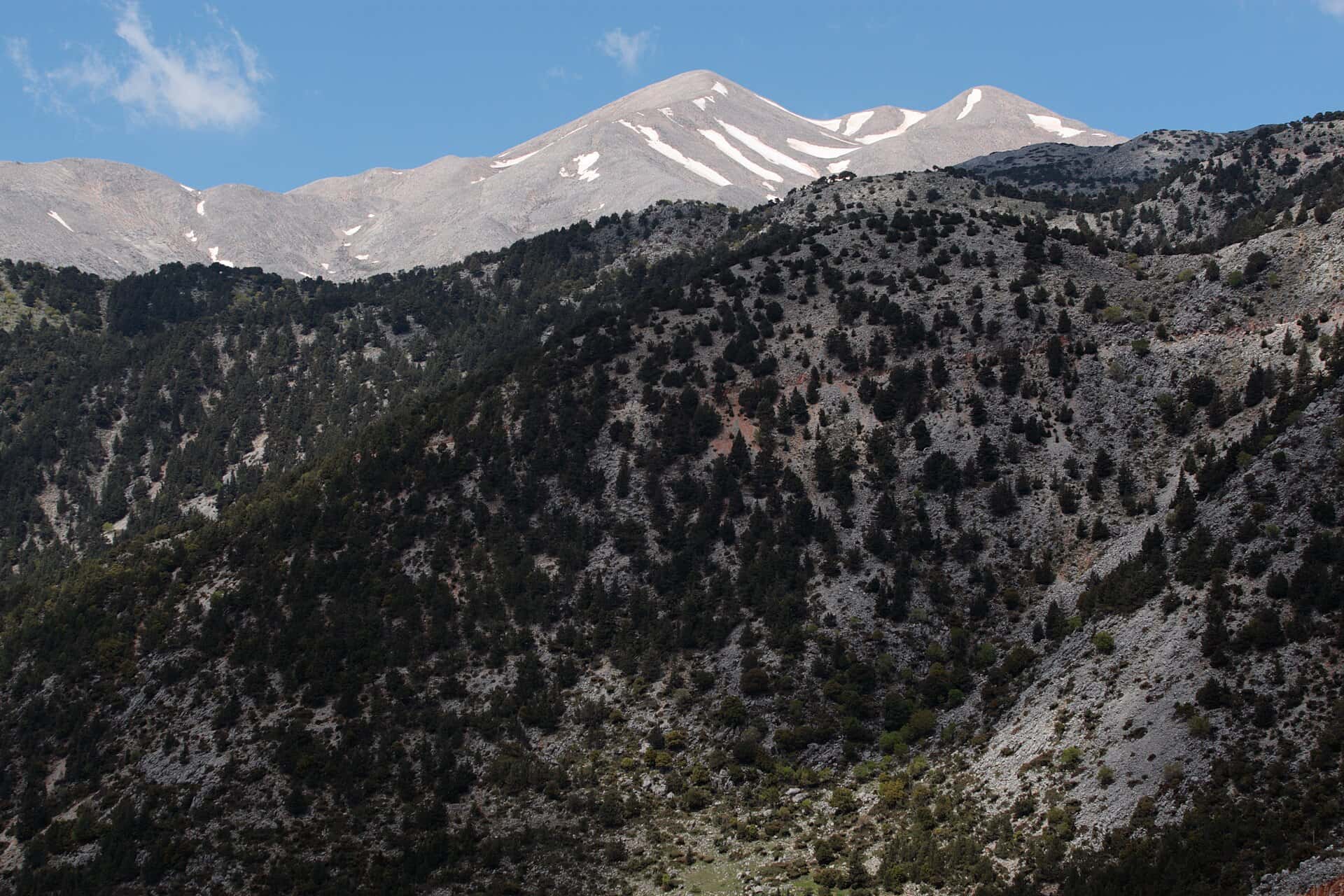
Inland and upward, the Lasithi Plateau is one of those Cretan landscapes that takes a moment to properly absorb. Ringed by the Dikti mountain range, the plateau sits at roughly eight hundred metres and was, for centuries, one of the island's most fertile agricultural plains. The white metal windmills that have become its most reproduced image were used historically to pump water for irrigation, and while only a fraction of them turn today, their presence across the flatland still carries something of that working purpose. In a hollow near the village of Psychro, the Dikteon Cave — the Diktaion Andron — is one of the most celebrated sites in Greek mythology, held to be the birthplace of Zeus. The cave descends steeply through stalactites and stalagmites to a pool at the bottom, and the votive offerings recovered here by archaeologists confirmed that it was a significant cult site in Minoan and later periods. The plateau as a whole rewards a slow circuit by car, stopping in the villages that ring its edge, each with its own church and taverna and the kind of unhurried hospitality that belongs to mountain communities.
At the far eastern tip of the island, the beach at Vai is genuinely singular. A large grove of Phoenix theophrasti — the Cretan date palm — covers the hillside behind a wide sandy bay, giving it a landscape that reads, at first glance, as more North African than Aegean. This is typically the most crowded point in the far east during summer, but even so it rewards the early arrival: in the first hour or two of the morning, before the coaches come, the combination of the palm canopy, the clean sand and the quiet sea is something that stays with you.
South of the Lasithi Plateau and east along the coast, Sitia is the kind of harbour town that tends to disarm visitors who were not expecting much from it. The port is active in a functional rather than a touristic way, ferries come and go, fishing boats occupy the near end of the quay, and the long waterfront has a rhythm to it that feels genuinely local. The Archaeological Museum of Sitia holds finds from the Minoan palace site of Zakros, which lies further down the coast and is one of the four major palatial centres of the Minoan world — its excavation in the nineteen-sixties revealed the palace largely intact, along with objects suggesting direct trade links with Egypt and the Near East. The surrounding Zakros Gorge, known locally as the Valley of the Dead for the ancient cliff tombs carved into its walls, makes for a fine and not overly strenuous walk.
Ierapetra, on the south coast, is widely regarded as one of the southernmost towns in Europe, and it carries that position with something like indifference to tourist expectation. The light here is notably different from the north coast — stronger, more insistent through the afternoon — and the town faces a small uninhabited island just offshore. The south of Lasithi generally receives less attention than its northern counterpart, which is itself part of its character: the beaches here are quieter, the season typically runs long given the warmth of the south-facing coast, and the pace of life on the waterfront has not been reshaped around visitors in the way of more prominent resorts. For those who have come to Crete for exactly this quality of privacy and open time, Lasithi offers it in full measure — and a private villa somewhere across the prefecture makes the most natural base for all of it, as it does across Heraklion, Rethymno and Chania for those who prefer to keep the slow mornings to themselves.
Hero image: fs / CC BY-SA 3.0, via Wikimedia Commons