Crete enjoys the longest tourist season of any Greek island, and the question of when to visit is really a question of what kind of traveller you are. The island in April bears almost no resemblance to the island in August, and neither version is wrong — they simply suit different temperaments, different rhythms, different appetites. What follows is not a ranking but a portrait: an attempt to convey how the island feels as the year turns, so you can place yourself honestly within it.
Spring arrives gently in Crete, often as early as March in the coastal lowlands, though April and May are the months when the island is at its most quietly spectacular. The hillsides fill with wildflowers — anemones, poppies, sage, thyme — and the air carries a freshness that the summer heat will eventually burn away. Walking conditions are close to ideal: the Samaria Gorge, which runs roughly sixteen kilometres through the White Mountains, typically opens in early May once the winter snowmelt has cleared the river crossings sufficiently for safe passage. Easter, which falls according to the Orthodox calendar and often differs from the western date, is the spiritual and social centrepiece of the Cretan spring. Villages that appear half-asleep in February come alive with candlelit processions, lamb roasting over open fires, and a warmth of community feeling that no summer festival can quite replicate. Prices remain moderate in April and May, and the popular sites — Knossos, the Heraklion Archaeological Museum, the old towns of Chania and Rethymno — can be visited at a considered pace. For anyone who prefers culture and walking over beach time, this is arguably the finest window the island offers.
June marks the turn towards summer without yet surrendering to it. The sea, which remains too cool for most visitors before May, has warmed to a temperature that genuinely invites swimming, and the days stretch long — light lingers close to nine in the evening, which lends every meal on a terrace a kind of unhurried ease. The beaches are populated but not overwhelmed. The tavernas are typically fully open and staffed, the roads are moving freely, and the accommodation market still has space to breathe. There is a particular pleasure in visiting Crete in June that is difficult to articulate precisely: the island is performing at full capacity without yet feeling crowded, and the light has a clarity that the hazier high-summer weeks sometimes lack. Families with school-age children are largely absent until the very end of the month, which makes it an especially comfortable time for couples and independent travellers.
July and August are the heart of the Cretan summer, and they demand honesty. Temperatures in the interior can reach forty degrees Celsius or beyond in some years, and the coastal towns — particularly Malia, Hersonissos, and parts of Chania's harbour area — become genuinely busy. The meltemi, a north wind that sweeps the Aegean and Cretan Sea typically from around mid-summer and persisting in most years into September, is both a blessing and a complication: it offers relief from the heat and keeps the air clear, but on exposed northern beaches it can make lounging uncomfortable and occasionally disrupts ferry connections to the smaller islands. Booking ahead is not a suggestion in high summer, it is a necessity — accommodation, car hire, and the more popular boat excursions fill well in advance in a normal year. None of this makes July and August a poor choice. The sea is at its warmest, the social energy is at its peak, sunset in Chania's Venetian harbour feels genuinely festive, and for visitors who relish that particular Mediterranean intensity, these months deliver it without reservation. You simply need to arrive prepared and patient.
September and October are, by the judgement of many people who know Crete well — including a good number of locals — the finest months of the year. The crowds thin perceptibly after the first week of September, yet the sea retains much of its summer warmth well into October, and the light shifts to something softer and more golden. Inland, the grape harvest is underway by early September, olive groves are beginning their slow ripening, and the mountain villages regain a daily life that belongs to the residents rather than the visitors. The walking trails become comfortable again, the gorges reopen after summer closure in some areas, and the cultural sites can once again be absorbed rather than simply survived. Temperatures on the coast are typically still well above twenty degrees through October, making this the closest thing Crete offers to a reliable expectation of warmth without the relentlessness of midsummer. Families returning to school calendars have departed, and what remains is a quieter, more contemplative version of the island.
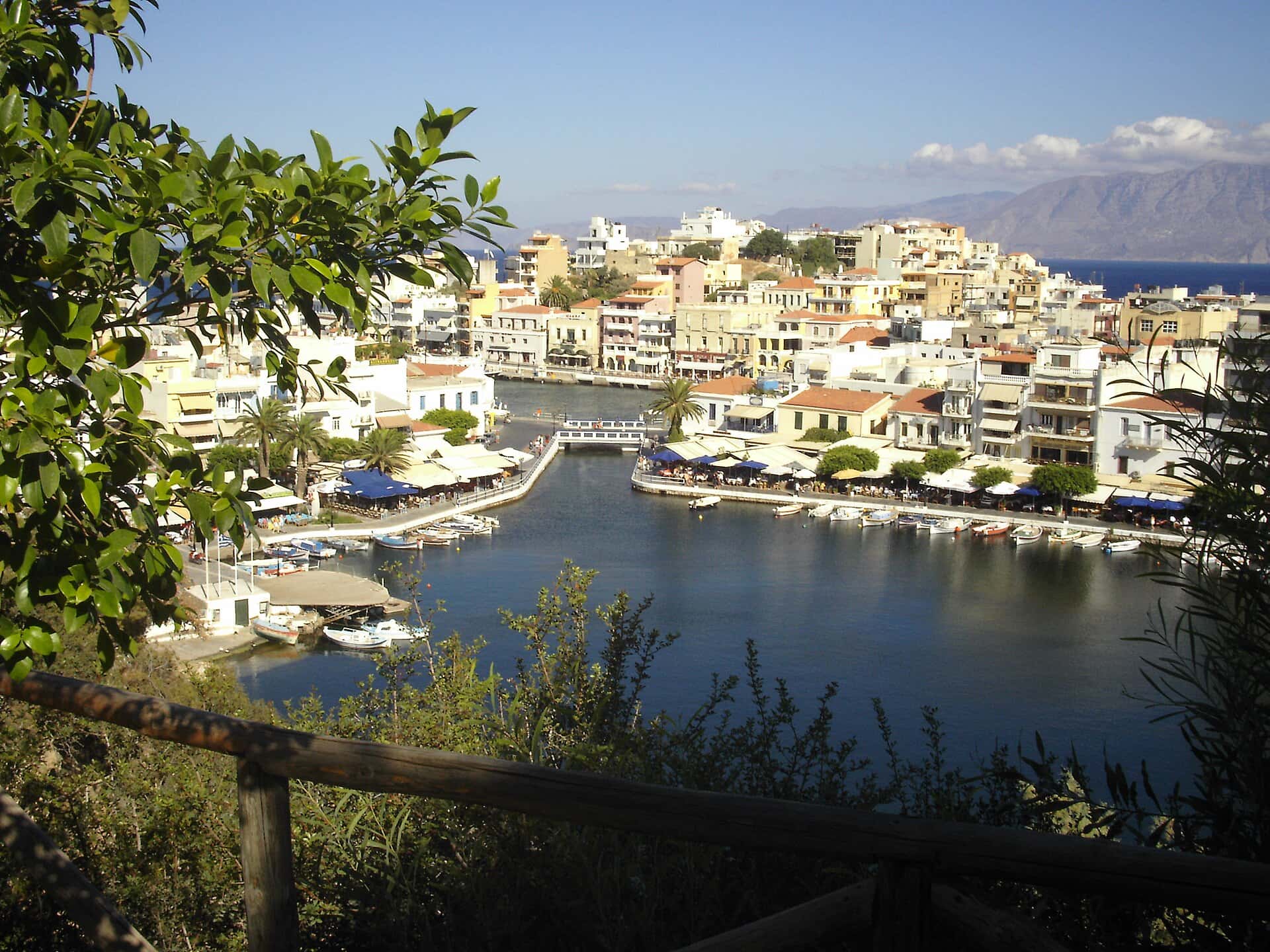
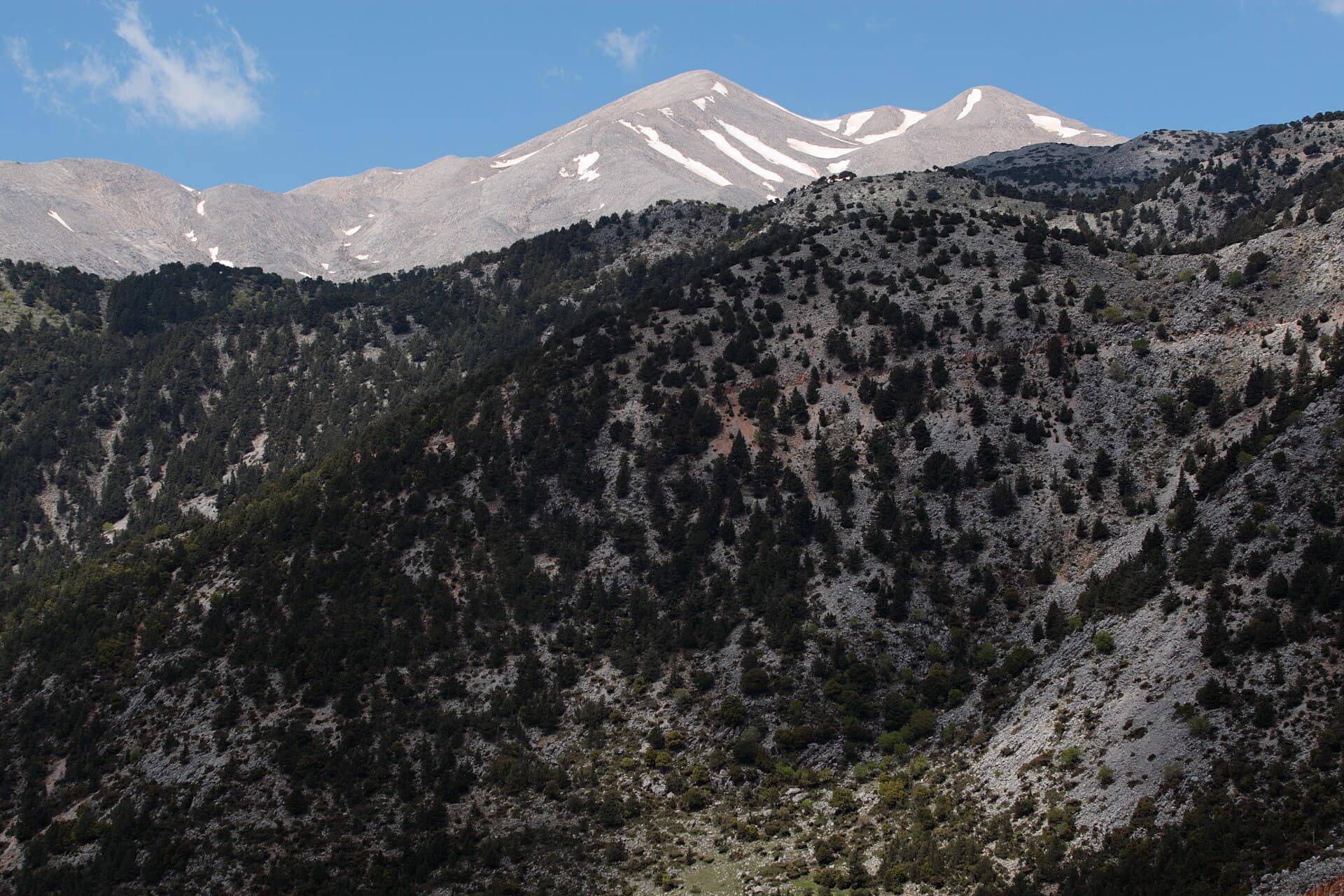
Winter in Crete is mild by the standards of northern Europe but it is not, in the commonly romanticised sense, a beach holiday. From November through March, many businesses along the smaller resort strips close entirely, ferry connections to outlying islands reduce, and the more remote beaches feel genuinely isolated. What remains, however, is quietly compelling for a certain kind of traveller. The cities — Heraklion, Chania, Rethymno, Agios Nikolaos — continue their lives undisturbed, with local markets, traditional kafeneions, and cultural institutions functioning through the season. The White Mountains in the Chania hinterland receive snow from December onwards in most years, and the sight of snow-capped peaks above a still-blue sea is one of the more arresting images the island produces. Rain, when it comes, tends to arrive in concentrated bursts rather than sustained grey weeks, and mild sunny days are common even in January. For anyone researching Cretan history, visiting museums without queues, or simply seeking a slower pace in a genuinely Mediterranean city, winter holds its own understated appeal.
The right time to visit Crete, then, is largely the right time for you: spring for the walkers and the culturally curious, June for those who want the full experience without the full crowd, high summer for those who come specifically for the intensity of it, autumn for the connoisseurs, and winter for the unhurried few who want a city and a culture rather than a resort. Wherever you land in the calendar, private villas across Heraklion, Lasithi, Rethymno and Chania give you something that no hotel lobby or poolside arrangement can quite provide — a base that feels like it belongs to the island rather than to the tourist infrastructure built around it, a place to eat late, sleep deeply, and let the season, whatever it happens to be, arrive at its own pace.
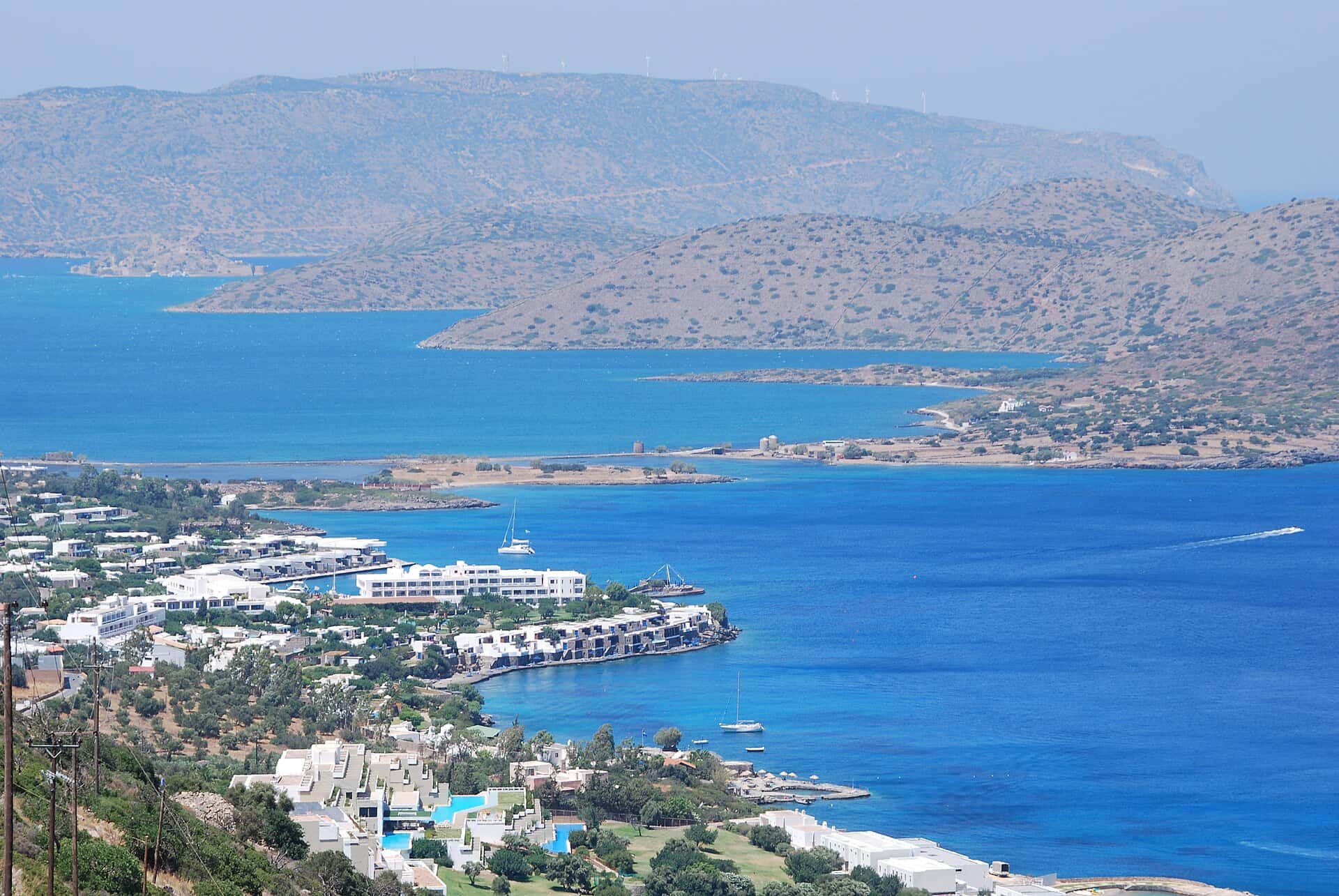
Hero image: Jerzy Strzelecki / CC BY-SA 3.0, via Wikimedia Commons